
Decentralized ai tokens 2026 budget
Blob Market Analysis works best when the purchase path is explicit. Verify the source, compare the offer against real alternatives, check the total cost, and confirm what happens after payment before you decide. After each comparison, write down the one risk that would change your mind. If the seller, condition, support, warranty, shipping, or upkeep still feels uncertain, resolve that question before moving to checkout.
The simplest way to use this section is to verify the seller, compare the total cost, and resolve the biggest risk before you commit.
Compare Decentralized AI Tokens
The decentralized AI sector in 2026 has moved beyond speculative whitepapers to functional infrastructure. Investors are now evaluating tokens based on actual network usage, compute capacity, and data availability rather than marketing promises. The following table compares the top contenders across key metrics to help you assess their current standing.
| Token | Primary Focus | Key Use Case | Risk Profile |
|---|---|---|---|
| TAO (Bittensor) | Model Training | Decentralized machine learning subnet | High |
| RENDER | GPU Compute | Rendering and AI inference | Medium |
| NEAR | Data & Scaling | AI data availability and sharding | Medium |
| FET (ASI) | Autonomous Agents | AI agent coordination | High |
Each project serves a distinct role in the AI stack. Bittensor (TAO) focuses on decentralized model training, allowing miners to contribute to AI model development. Render (RENDER) provides decentralized GPU compute power, essential for running large language models and rendering tasks. NEAR Protocol offers data availability and scaling solutions, acting as the backbone for AI applications that require high throughput. Fetch.ai (now part of the ASI alliance) specializes in autonomous agents that can perform tasks on behalf of users.
When comparing these options, consider your risk tolerance and investment horizon. TAO and FET offer higher potential returns but come with greater volatility. RENDER and NEAR provide more stable infrastructure plays with established partnerships. Always verify current market data before making decisions, as the crypto market changes rapidly. The table above provides a snapshot of the current landscape. For a deeper technical analysis, consider examining the price charts of these tokens to identify trends and support levels.
Inspect the expensive failure points
Decentralized AI tokens combine two volatile sectors: crypto and machine learning infrastructure. When these systems fail, the cost isn't just a dropped transaction; it's wasted compute credits, stalled model training, and locked capital. Before committing capital to any decentralized AI project in the 2026 market, run this practical inspection checklist. Focus on the components that break most often.
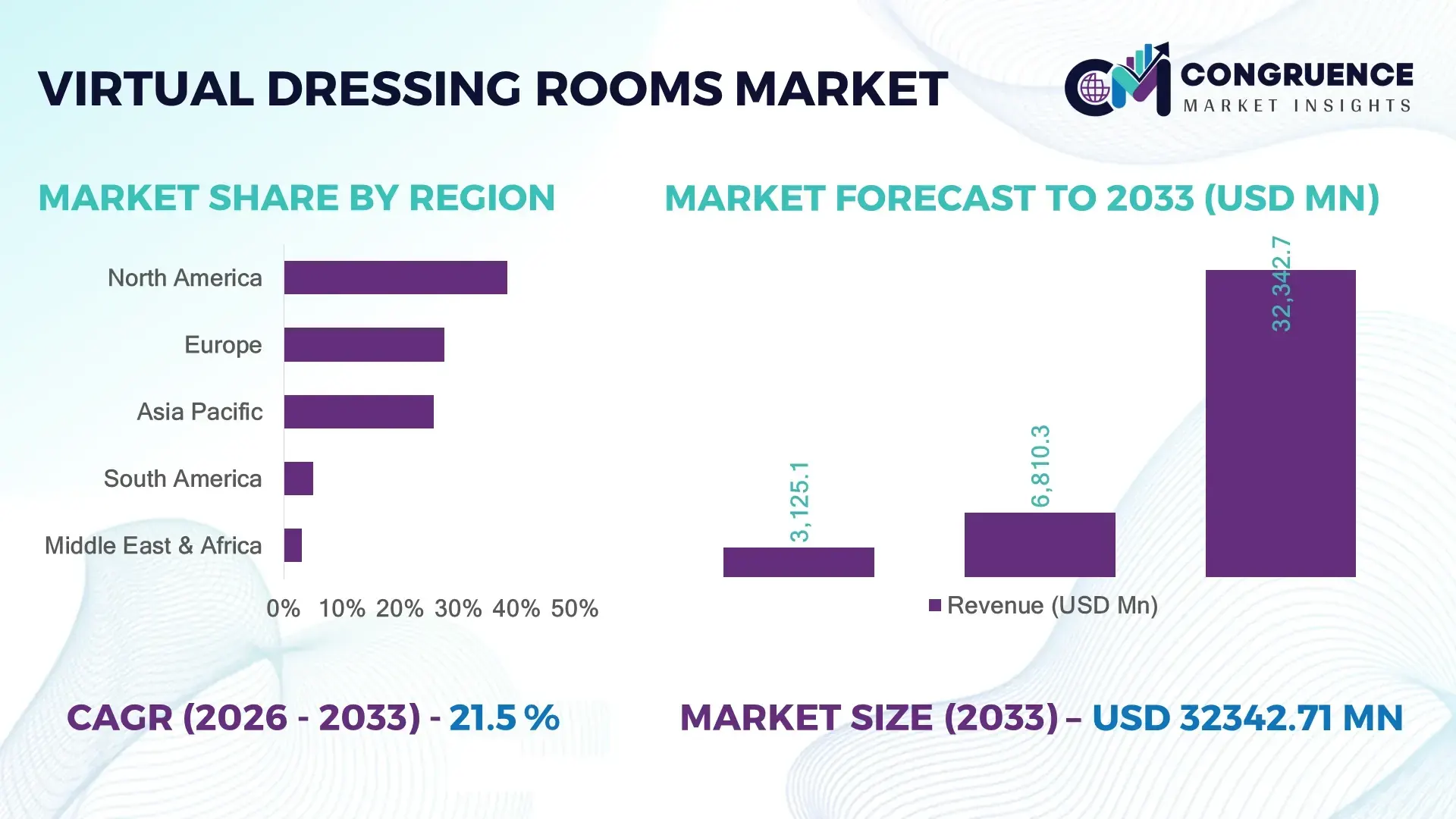
Many AI crypto projects promise massive compute power but deliver fragmented GPU clusters. Check if the network reports actual utilization rates above 80%. Low utilization means you are paying for idle resources or that the demand side is weaker than the tokenomics suggest. Look for transparent dashboards showing active node participation and job completion times.
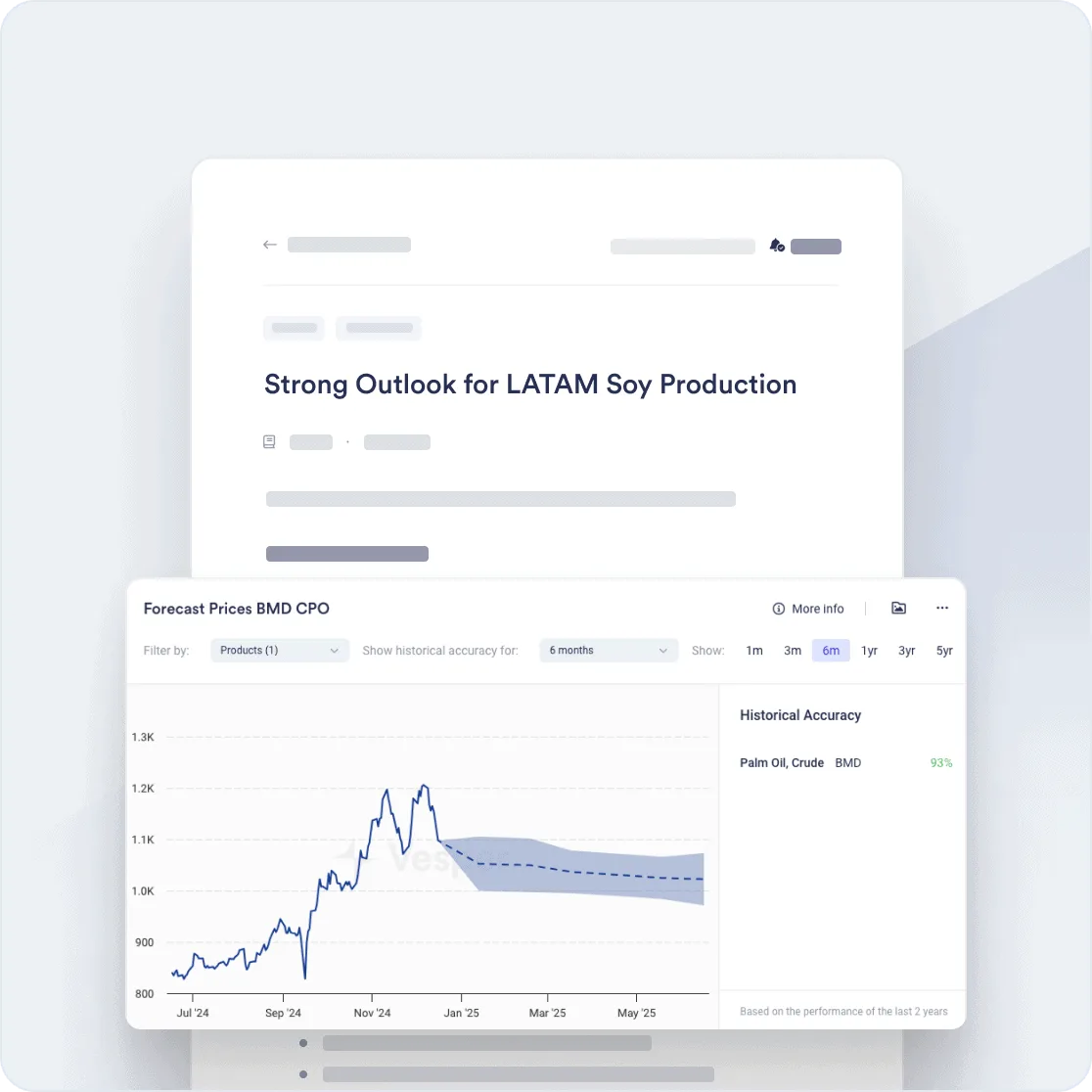
AI models are only as good as their training data. Projects that rely on scraped or unverified datasets risk producing biased or useless outputs. Inspect the data sourcing mechanism. Does the project use verified human-in-the-loop validation? Are the data contracts transparent about ownership and licensing? Poor data hygiene leads to model drift, which destroys token utility.

If node operators don't make money, they leave. Verify that the staking rewards and task payment structures actually cover the cost of electricity and hardware depreciation. A token price surge does not compensate for operational losses. Look for projects where the token value is directly tied to successful job completion, not just speculation.
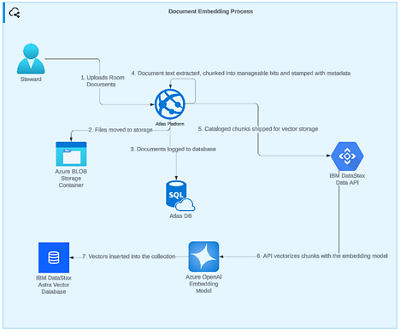
DePIN and AI tokens often involve complex smart contracts managing compute jobs and data transfers. These contracts are prime targets for exploits. Ensure the project has undergone multiple audits from reputable firms. Check if the code is immutable or if there is a clear upgrade path with timelocks. Unaudited code is a guaranteed way to lose your entire investment.


As an Amazon Associate, we may earn from qualifying purchases.
Plan for ownership costs
A low entry price for an AI or DePIN token rarely tells the whole story. The true cost of ownership includes the gas fees paid to interact with the network, the staking requirements to participate in governance or validation, and the potential for inflationary token emissions that dilute your holdings over time.
DePIN projects often require running hardware or providing compute resources. This means electricity bills, hardware depreciation, and maintenance time are part of the investment. If a token’s utility depends on active participation, you are not just holding an asset; you are managing a small business operation.
Before buying, check the token’s emission schedule and staking lock-up periods. A token that appears cheap today may become expensive if you are forced to sell during a lock-up or if inflation outpaces price appreciation. Always factor in the friction of moving and storing these assets.


As an Amazon Associate, we may earn from qualifying purchases.
Decentralized ai tokens 2026: what to check next
Investing in decentralized AI requires separating hype from functional utility. The following answers address the most common practical objections and search queries for the current market cycle.
The decentralized AI sector is evolving from speculative tokens to functional infrastructure. Understanding the specific use case of each token—whether it is compute, data, or model training—is essential for making informed decisions in 2026.

No comments yet. Be the first to share your thoughts!