
2026 ai market trends overview
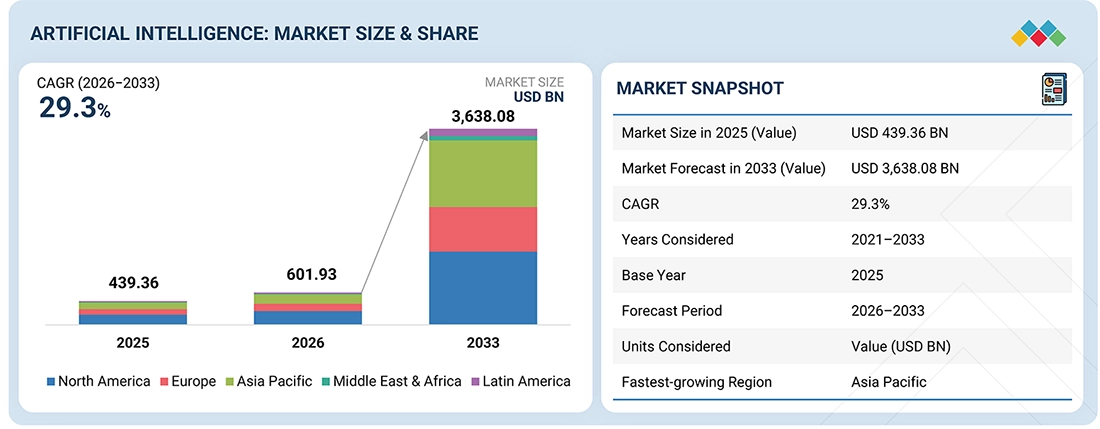
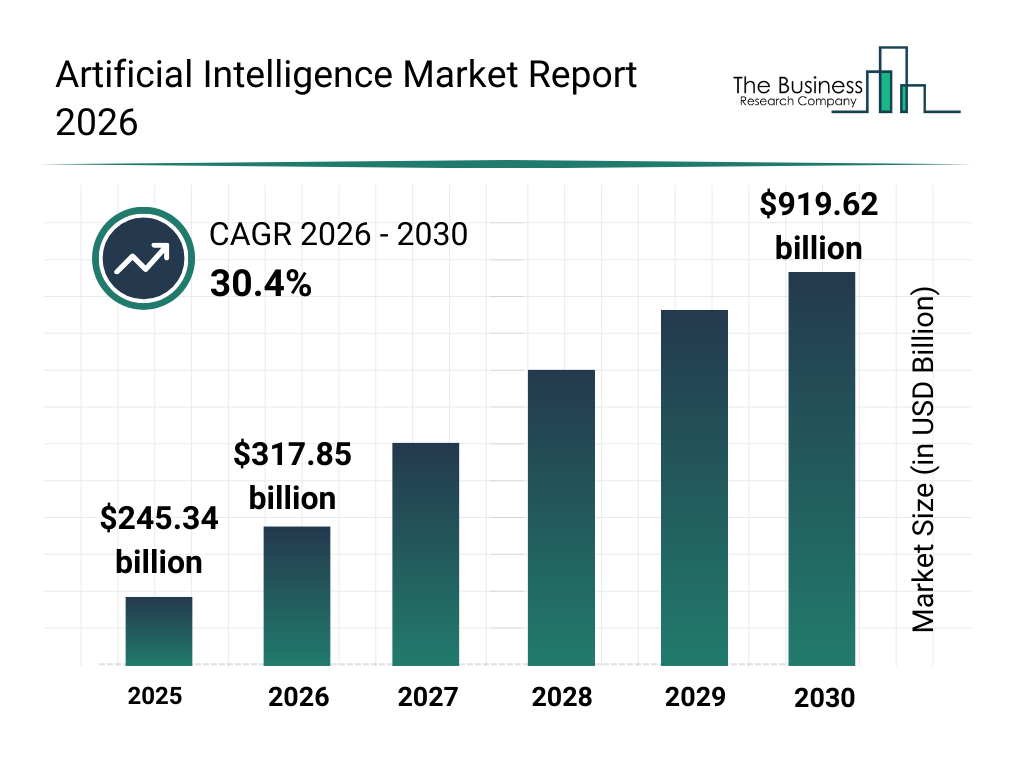
The artificial intelligence sector has shifted from experimental adoption to a foundational economic driver. By early 2026, generative AI tools delivered an estimated annual value of $172 billion to U.S. consumers, with the median value per user tripling since the previous year [2]. This surge in consumer utility signals that AI is no longer just a technological novelty but a core component of daily digital interactions.
From an investment perspective, the landscape is defined by massive capital deployment. Morgan Stanley notes that AI has become the central force influencing global growth, earnings, and geopolitical strategy, drawing record levels of institutional investment [1]. This financial momentum is not isolated to software; it is driving a parallel buildout of physical infrastructure, including data centers and specialized semiconductor manufacturing.
The convergence of consumer value and institutional capital creates a unique market dynamic. As AI models become more integrated into enterprise workflows and consumer applications, the demand for high-quality, accessible data grows exponentially. This environment sets the stage for new market structures, where the ability to process and trade data efficiently becomes as critical as the models themselves.
To understand the scale of this shift, consider the broader market context. The following chart illustrates the recent performance of the NASDAQ, a key index heavily influenced by the tech giants leading the AI revolution.
BlobSpace Markets Platform Review
BlobSpace Markets operates as a specialized data liquidity layer, designed to solve the fragmentation problem that has long plagued agentic AI workflows. In 2026, as models shift from static training to dynamic, real-time inference, the ability to access clean, verified data streams becomes as critical as compute itself. This platform positions itself not merely as a broker, but as an infrastructure provider that standardizes how raw data is tokenized, verified, and sold to autonomous agents.
Unlike generic data marketplaces that rely on manual curation, BlobSpace utilizes automated liquidity pools. These pools allow data providers to stream information directly to consumers based on smart contract conditions, reducing friction and ensuring that the data remains fresh. This approach aligns with the broader industry shift toward agentic AI, where systems must negotiate and transact for information without human intervention. As noted in recent industry analyses, the integration of such automated liquidity layers is a primary driver for the next wave of business transformation Google Cloud.
To understand BlobSpace's competitive position, it is helpful to compare its operational model against traditional data brokerages. The following comparison highlights the structural differences in speed, verification, and cost efficiency.
| Feature | BlobSpace Markets | Traditional Data Broker |
|---|---|---|
| Liquidity Mechanism | Automated Smart Contracts | Manual Negotiation |
| Data Freshness | Real-Time Streaming | Batch Updates (Weekly/Monthly) |
| Verification | On-Chain Provenance | Third-Party Audit Reports |
| Access Speed | Sub-Second Execution | Days to Weeks |
| Cost Structure | Pay-Per-Use Microtransactions | Enterprise Licensing Fees |
The table above illustrates why BlobSpace is gaining traction in high-frequency trading and logistics sectors, where milliseconds matter. Traditional brokers, while still dominant in static datasets like demographic surveys, struggle to meet the latency requirements of autonomous agents. BlobSpace's microtransaction model also lowers the barrier to entry, allowing smaller AI startups to access premium data without committing to six-figure annual licenses.
Technical performance and chart analysis
Market participants are currently pricing in significant structural shifts as AI adoption moves from experimental pilots to core infrastructure spend. The recent volatility in AI-focused equities reflects this transition, with capital flows shifting toward companies with demonstrable data liquidity and clear paths to monetization.
The following chart illustrates the price action for the iShares Robotics and Artificial Intelligence Multisector ETF (ROBO), a primary proxy for the broader AI technology sector. This provider-backed view captures the interplay between institutional accumulation and retail speculation over the last six months.
Price action in the ROBO ETF has shown resilience above the 50-day simple moving average, suggesting that short-term corrections are being absorbed by longer-horizon investors. However, volume profiles indicate that participation remains selective, with buying pressure concentrated during dips rather than momentum-driven rallies. This behavior aligns with the cautious optimism seen in the broader market, where investors are prioritizing quality and cash flow visibility over speculative growth narratives.
While ROBO provides a broad view, the divergence between AI infrastructure leaders and application-layer startups is widening. Traders are increasingly using technical levels to time entries into high-conviction names, rather than betting on sector-wide beta. The current setup suggests that technical breakouts are more likely to be short-lived unless accompanied by fundamental catalysts such as earnings surprises or major partnership announcements.
Comparing data liquidity solutions
Choosing the right platform depends on how you intend to use the data. BlobSpace focuses on decentralized, high-quality datasets for fine-tuning, while other tools prioritize different aspects of the data lifecycle. Understanding these differences helps you select a solution that matches your infrastructure needs.
The market offers several distinct approaches to data liquidity. Some platforms emphasize raw volume and scraping capabilities, while others focus on curated, high-fidelity datasets for specific verticals. BlobSpace sits in the middle, offering a marketplace model that connects data providers directly with AI developers.
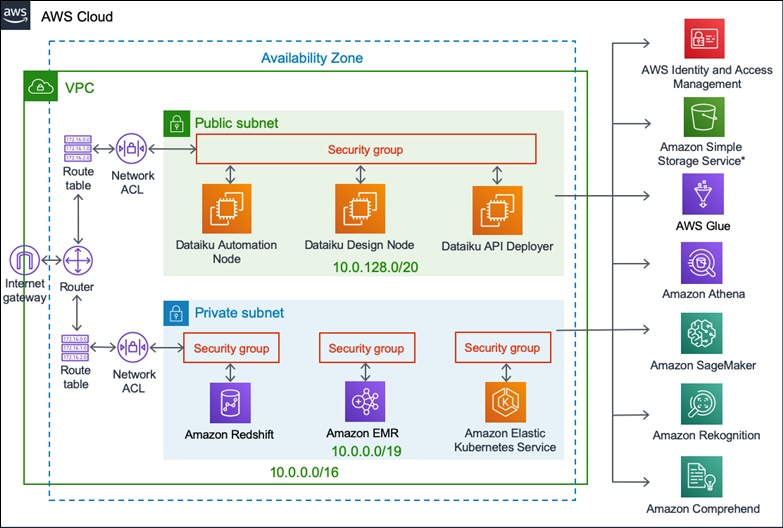
For teams building custom models, having access to specialized tools can make a significant difference. The following resources and software options are commonly used by data engineers to manage and preprocess datasets before they enter a liquidity pool.


As an Amazon Associate, we may earn from qualifying purchases.
Risks and Investment Considerations
Investing in AI market trends 2026 requires navigating a complex web of regulatory and technical hurdles. As data liquidity becomes the primary asset class, the infrastructure supporting it faces significant strain. Reliability and security are no longer optional features but the foundation of any viable data market. Without robust error recovery and predictable behavior, these platforms cannot sustain the high volume of transactions required for true liquidity.
Regulatory shifts pose the most immediate threat to capital deployment. Governments are increasingly scrutinizing data sovereignty, creating friction for cross-border data flows. A sudden change in policy can freeze assets or render certain data sets inaccessible, impacting the valuation of BlobSpace tokens and liquidity pools. Investors must account for geopolitical instability as a primary risk factor, not an edge case.
Technical risks are equally formidable. The sheer volume of unstructured data (blobs) creates bottlenecks in processing and verification. If the underlying AI models cannot reliably verify the integrity of these data sets, the market loses trust. Morgan Stanley notes that while AI drives growth, it also amplifies systemic risks when infrastructure fails to scale with demand.
To monitor these risks, investors can track the performance of major AI infrastructure stocks, which often lead the market in volatility. Watch for divergence between stock performance and actual data liquidity metrics.

No comments yet. Be the first to share your thoughts!