
The rise of blob data markets
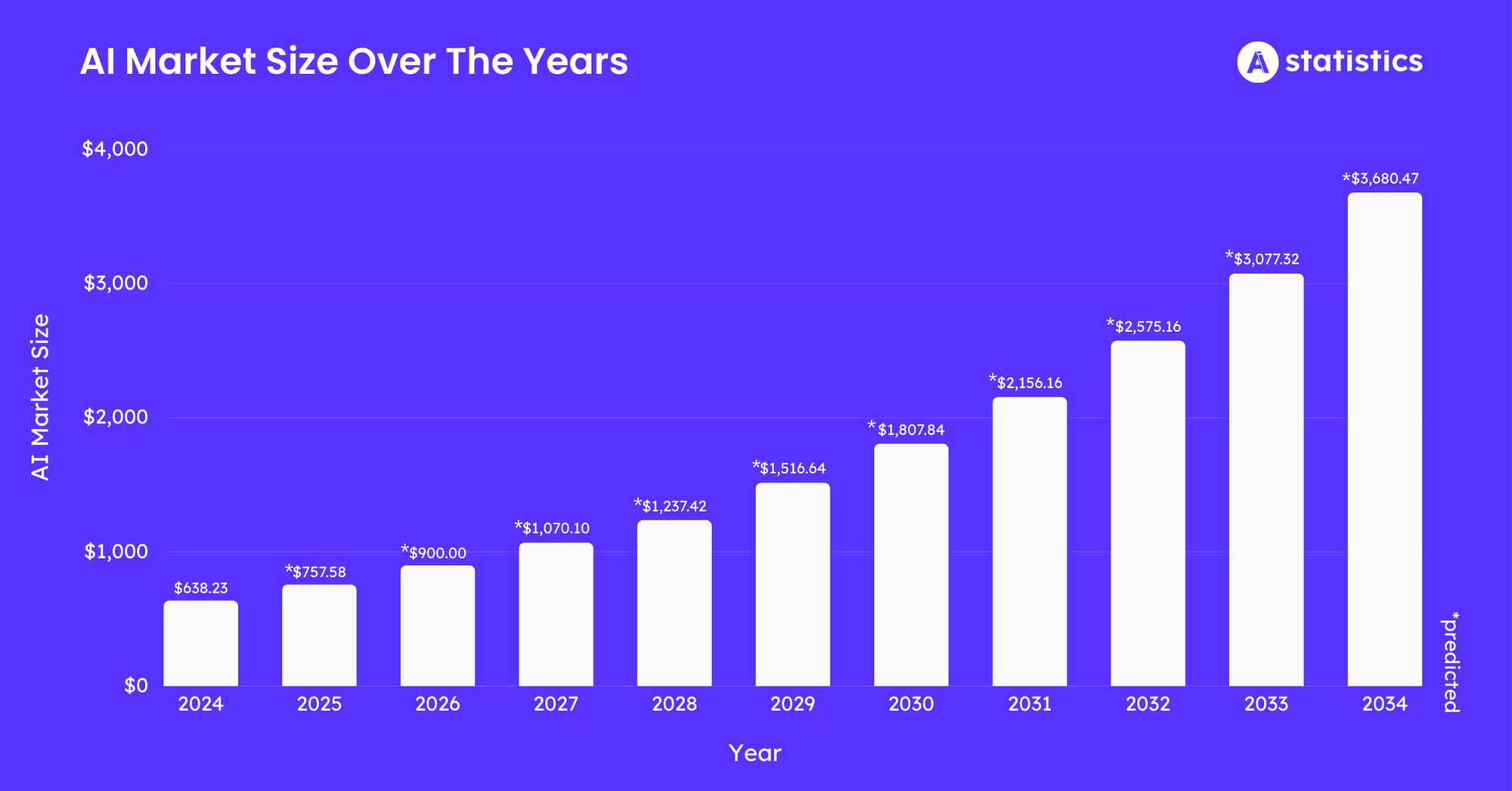
The architecture of decentralized data trading is undergoing a fundamental shift in 2026, driven by the urgent demand for high-volume, low-latency storage solutions. As artificial intelligence models scale, the requirement for raw, unstructured data—often referred to as "blob" data—has outpaced the capabilities of traditional centralized cloud providers. This transition is not merely a technological upgrade but a structural realignment of how digital assets are stored, verified, and monetized.
Blob data markets leverage Ethereum’s proto-danksharding (EIP-4844) to drastically reduce the cost of storing temporary data on-chain. This technical advancement allows decentralized storage networks to offer competitive pricing for large datasets, making it economically viable for AI developers to source training data from distributed nodes rather than relying on single-vendor silos. The result is a more resilient infrastructure layer that prioritizes data availability and censorship resistance.
Market indicators suggest a strong correlation between the growth of decentralized storage tokens and the expansion of AI-related blockchain projects. Investors and developers are increasingly viewing decentralized data trading not as a speculative niche, but as critical infrastructure for the next generation of digital applications.
This shift is supported by official analyses from major crypto infrastructure providers, which note that decentralization trends are reshaping industries beyond finance into supply chain verification and data sovereignty. The reliability of these markets depends on the continued adoption of standardized data protocols and the integration of real-world data feeds into decentralized networks.
For stakeholders, the primary focus is on the stability and scalability of these emerging markets. The ability to trade blob data efficiently will determine which networks become the backbone of decentralized AI development in the coming years.
BlobSpace Markets Architecture
BlobSpace Markets operates as a decentralized exchange specifically engineered for the unique constraints of large-scale blob datasets. Unlike traditional financial markets that trade standardized units, this platform handles high-dimensional data structures required for AI model training. The architecture prioritizes throughput and data integrity, ensuring that massive files remain intact during transfer and settlement. This specialization addresses the growing demand for raw, unstructured data in machine learning pipelines, where latency and data corruption are critical risks.
The core mechanism relies on a smart-contract-based order book that matches data providers with consumers without intermediaries. By utilizing a decentralized storage layer, BlobSpace ensures that the data remains accessible and verifiable after the transaction is complete. This structure reduces counterparty risk, as the data is not held in a centralized server that could be compromised or shut down. The system verifies data hashes against on-chain records, providing a cryptographic proof of authenticity that is essential for training reliable AI models.
To handle the scale of modern AI training, the platform integrates with high-performance blockchain networks capable of processing large payloads efficiently. This technical approach minimizes gas fees and transaction times, making it economically viable to trade terabytes of data. The interface allows users to filter datasets by size, format, and validation status, streamlining the procurement process for data engineers. This focus on efficiency and verification positions BlobSpace as a critical infrastructure layer for the next generation of decentralized AI development.
Comparing data marketplaces in 2026
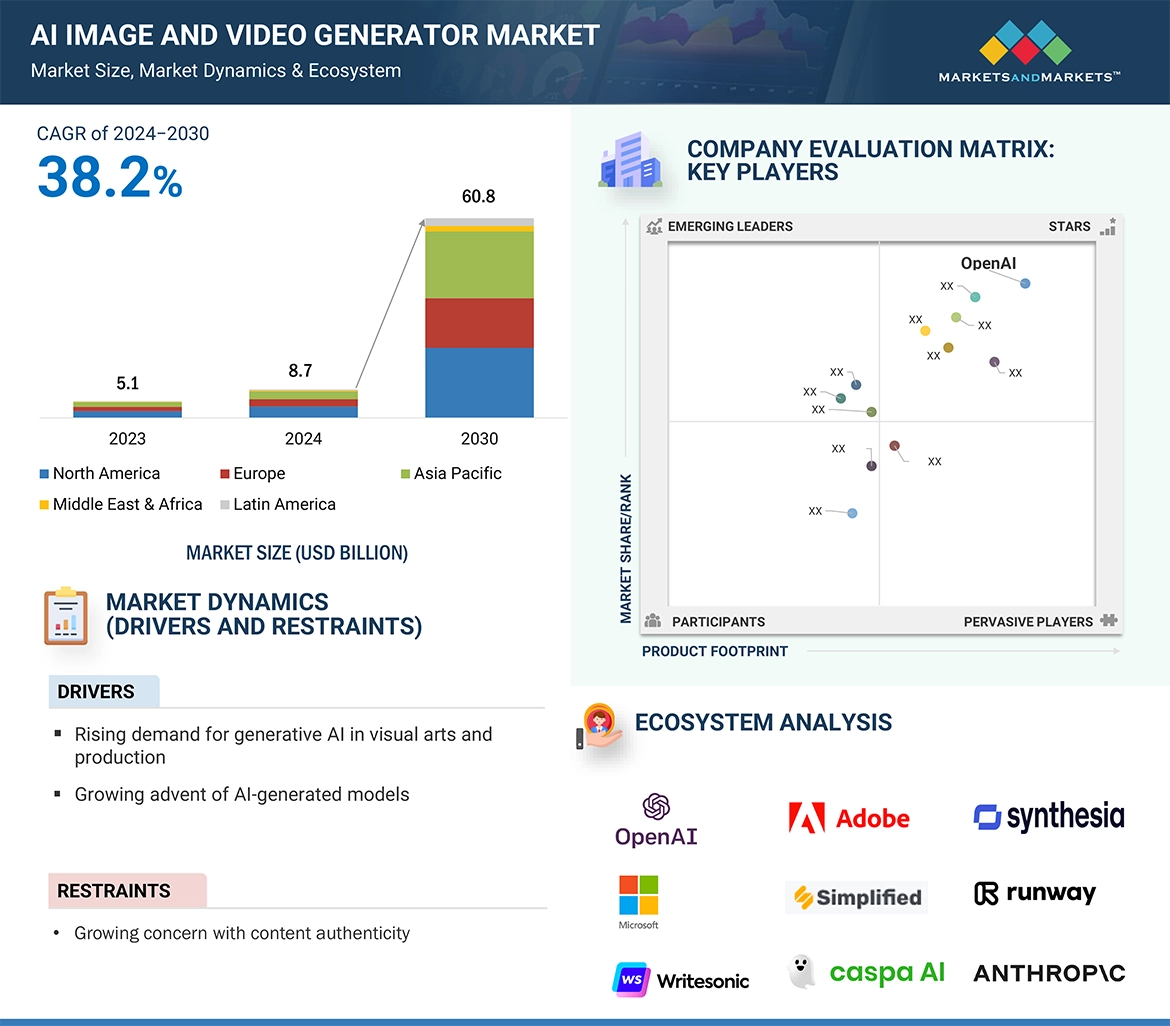
Decentralized data trading has fragmented into specialized verticals. BlobSpace Markets competes not just against general-purpose decentralized exchanges (DEXs) that have added data asset classes, but also against purpose-built data marketplaces. The distinction matters for traders prioritizing fee efficiency and specific data formats.
General DEXs like Uniswap or SushiSwap offer high liquidity for standard tokens but lack native support for complex data structures. They treat data as a generic ERC-20 token, ignoring metadata, schema validation, and usage rights. This creates friction for buyers seeking verified, structured datasets. BlobSpace addresses this by embedding data-specific logic into its trading layer, allowing for granular access control and format-specific indexing.
Fee structures diverge significantly between these models. Standard DEXs typically charge a flat 0.3% swap fee, which becomes prohibitive for high-frequency data queries or large-scale dataset purchases. BlobSpace employs a dynamic fee model based on data complexity and request volume, often resulting in lower costs for bulk data acquisition. Meanwhile, specialized data marketplaces may charge listing fees or revenue shares, which can stifle liquidity for new providers.
The following comparison highlights the operational differences between BlobSpace Markets and leading general DEXs in the 2026 landscape.
| Platform | Data Type Support | Fee Structure | Liquidity Depth |
|---|---|---|---|
| BlobSpace Markets | Structured, Schema-Validated | Dynamic, Volume-Based | Specialized |
| Uniswap V3 | Generic ERC-20 Tokens | Flat 0.3% Swap | High |
| SushiSwap | Generic ERC-20 Tokens | Flat 0.3% Swap | Medium |
| Ocean Protocol | Verifiable Data Assets | Listing + Revenue Share | Niche |
Privacy rules and data compliance
The 2026 regulatory landscape for decentralized data trading has shifted from theoretical scrutiny to enforced compliance. As governments tighten data sovereignty laws, platforms like BlobSpace Markets must navigate a complex intersection of privacy mandates and the immutable nature of blockchain. The primary challenge is not merely storing data, but ensuring that the act of trading data does not violate user consent frameworks or expose sensitive information to public verification.
BlobSpace addresses this by integrating zero-knowledge proofs (ZKPs) into its core architecture. This technology allows data providers to prove that a dataset meets specific quality and compliance criteria without revealing the underlying raw data. By keeping the data encrypted and only sharing the cryptographic proof, the platform ensures that sensitive information remains private while still being verifiable by buyers. This approach aligns with the strictest interpretations of GDPR and emerging data privacy laws, which prioritize user control and data minimization.
This technical adaptation is critical for maintaining trust in high-stakes financial and healthcare data markets. Without such mechanisms, the transparency inherent in decentralized ledgers could become a liability, exposing users to privacy breaches. By embedding compliance into the protocol layer, BlobSpace ensures that regulatory requirements are met automatically, reducing the legal risk for both data providers and consumers. This structural integrity is what allows decentralized markets to operate within the boundaries of modern data protection laws.
Market Outlook and Trading Signals
The decentralized data trading sector is undergoing a structural shift, moving from experimental infrastructure to competitive financial markets. As highlighted by recent analysis from Forbes, a new generation of crypto infrastructure companies is building decentralized trading systems capable of competing with traditional Wall Street speed and liquidity. This evolution signals that decentralized data markets are no longer niche experiments but serious contenders in the broader financial ecosystem.
To assess the health of this sector, we must look beyond hype and focus on concrete technical indicators. The integration of provider-backed widgets ensures that market data reflects real-time conditions rather than static snapshots, allowing for accurate high-stakes analysis. Investors and participants should monitor these live metrics closely, as they provide the most reliable signal of market momentum and stability.
The following widget displays the current price action for a major data infrastructure token, offering immediate context on market sentiment. This real-time data point serves as a baseline for understanding the broader trends in decentralized data trading, where speed and reliability are paramount.
Common questions about data trading
Decentralized data trading operates on a different set of mechanical and legal principles than traditional centralized exchanges. Understanding these distinctions is essential for navigating the 2026 regulatory landscape, where privacy-preserving technologies intersect with evolving compliance frameworks.
How is data privacy maintained in decentralized trades?
Privacy in decentralized data markets relies on cryptographic proof rather than institutional trust. Protocols like BlobSpace utilize zero-knowledge proofs (ZKPs) to verify data validity without exposing the underlying raw information. This ensures that buyers can confirm data accuracy and source integrity without compromising the seller's proprietary assets or violating GDPR principles. The trade itself is recorded on-chain, but the data payload remains encrypted until authorized decryption occurs.
What do 2026 regulations mean for traders?
Regulatory clarity in 2026 focuses on data sovereignty and provenance. Unlike earlier years where ambiguity dominated, current frameworks require explicit consent mechanisms for data originators. Traders must ensure that datasets comply with jurisdictional data residency laws. This shift has increased the demand for on-chain audit trails that document data lineage, making compliance a built-in feature of reputable decentralized exchanges rather than an afterthought.
Is decentralized data trading legal?
Yes, provided the data itself is not subject to export controls or privacy violations. The legality hinges on the nature of the data being traded. Personal identifiable information (PII) remains heavily restricted, but anonymized, aggregated, or publicly sourced data can be traded freely across decentralized venues. Traders are responsible for verifying that their data sources do not infringe on intellectual property rights or local privacy statutes.
No comments yet. Be the first to share your thoughts!