
Defining the blob economy 2026
The term "blob economy" describes a decentralized market structure characterized by fluid, unstructured capital flows driven by decentralized autonomous organizations (DAOs). Unlike traditional hierarchical finance, which relies on rigid institutional gatekeepers, the blob economy operates through programmable smart contracts and community-governed treasuries. This shift transforms capital from a static asset into a dynamic, liquid resource that can be deployed instantly across global protocols.
In 2026, this model gains traction as a response to the stagnation of traditional economic indicators. While major economies face below-average growth and persistent inflation, as noted by RBC Economics and UMB Bank, decentralized finance offers an alternative layer of value creation. DAOs function as the primary agents in this ecosystem, managing assets without traditional corporate boards. Their decisions are executed automatically, reducing friction and enabling rapid adaptation to market conditions.
To understand the scale of this shift, it is necessary to look at the underlying market dynamics. The volatility and volume of DAO-governed tokens reflect the health and activity of this new economic layer. The chart below illustrates the historical volatility and market cap trends of major decentralized exchange tokens, providing a data-driven context for the blob economy's growth trajectory.
This data underscores the increasing integration of DAO governance into broader financial markets. As traditional institutions struggle with rigid structures, the blob economy's ability to pivot quickly and operate transparently positions it as a significant force in the 2026 financial landscape.
How DAOs Replace Corporate Hierarchies
Decentralized autonomous organizations (DAOs) are dismantling the traditional top-down management structures that have defined corporations for decades. Instead of a board of directors making opaque decisions in private meetings, governance is handled by token holders through on-chain voting. This shift transforms shareholders from passive investors into active participants who directly influence protocol upgrades, treasury allocations, and strategic direction.
The core advantage lies in transparency and automated execution. Every proposal, vote, and fund transfer is recorded on a public ledger, eliminating the information asymmetry that often plagues legacy markets. Smart contracts enforce the results of these votes automatically, removing the need for intermediaries to execute decisions and reducing the risk of human error or manipulation.
To understand the structural difference, consider the operational contrast between traditional governance and DAO models:
| Feature | Traditional Corporate | DAO Governance |
|---|---|---|
| Decision Making | Board of Directors | Token-Weighted Voting |
| Transparency | Quarterly Reports | Real-Time On-Chain |
| Execution | Management Layer | Smart Contracts |
| Access | Shareholder Registry | Public Wallet |
This structural clarity is particularly valuable in the volatile 2026 economic landscape, where rapid adaptation is necessary. As global markets adjust to inflationary pressures and shifting GDP growth rates, the agility of DAOs allows them to pivot strategies without the bureaucratic delays inherent in legacy hierarchies.
Macro trends driving blob economy growth
The intersection of artificial intelligence and decentralized infrastructure is reshaping market dynamics in 2026. AI agents require high-throughput, low-latency data layers that traditional centralized cloud providers struggle to scale cost-effectively. Blob storage solutions, designed specifically for high-volume data chunks, are emerging as the preferred backend for these autonomous systems. This shift is not merely technical; it is economic, as AI-driven workflows demand transparent, programmable pricing models that centralized APIs often obscure.
Regulatory clarity in major jurisdictions is providing the necessary stability for institutional adoption. As frameworks for digital asset classification solidify, enterprises are moving from experimental pilots to production deployments. This regulatory tailwind reduces compliance risk, allowing capital to flow into decentralized data markets with greater confidence. The result is a maturing ecosystem where data provenance and ownership rights are enforced by code rather than legal ambiguity.
The broader macroeconomic outlook supports this technological pivot. While general GDP growth is projected to moderate to approximately 2.2% for 2026, the AI infrastructure sector continues to outpace traditional benchmarks. This divergence highlights a structural shift in where value is being created. Investments in decentralized compute and storage are increasingly viewed as essential utility rather than speculative assets, aligning with the foundational needs of the next generation of digital economies.
Evaluate and allocate capital to decentralized assets
Investing in the blob economy requires treating DAOs and decentralized protocols as distinct asset classes with unique risk profiles. Unlike traditional equities, these assets often lack standardized financial reporting, making due diligence a manual, continuous process rather than a passive holding strategy.
1. Audit treasury health and diversification
Start by examining the DAO’s treasury composition. A healthy decentralized asset does not rely solely on its native governance token for operational liquidity. Look for diversification into stablecoins or blue-chip assets like ETH or BTC. If a DAO’s treasury is 90% exposed to its own token, it faces a death spiral risk if the token price drops. Check on-chain explorers like Etherscan to verify asset distribution and recent large transfers.
2. Verify code audit status and security history
Smart contract risk is the primary threat in decentralized markets. Before allocating capital, confirm that the protocol has undergone multiple independent security audits from reputable firms. More importantly, review the protocol’s bug bounty history and past incidents. A protocol with a clean audit record but no history of incident response is less resilient than one that has patched critical vulnerabilities transparently.
3. Monitor governance participation and voting power
Decentralized governance is only effective if participation is broad. Check the voting power distribution of active proposals. If a small number of "whales" control over 50% of the voting power, the DAO is effectively centralized, negating the benefits of decentralization. Look for high voter turnout and diverse proposal topics, which indicate an engaged and healthy community.
4. Assess tokenomics and inflation schedules
Understand the token emission schedule. High inflation can dilute value, while deflationary mechanisms may stifle utility. Analyze whether the token has real utility (e.g., fee discounts, governance rights) or if it is purely speculative. Compare the current market cap to the fully diluted valuation (FDV) to gauge future sell pressure from vesting schedules.
5. Use live data for entry timing
Market timing in decentralized assets is influenced by broader macro trends and on-chain activity. Use live charts to identify support and resistance levels based on volume and technical indicators rather than static price points. This helps in entering positions at logical levels rather than chasing momentum.
6. Implement strict risk management
Never allocate more than a small percentage of your total portfolio to any single DAO or blob economy asset. Use stop-loss orders if trading on centralized exchanges that list these assets, or use decentralized limit orders on DEXs. Diversify across different sectors (e.g., DeFi, NFTs, Infrastructure) to mitigate sector-specific risks.
Check the composition of the DAO's treasury. Ensure it holds significant assets other than its native token, such as stablecoins or ETH, to maintain operational liquidity during market downturns. Use block explorers to verify recent large transfers.
Confirm the protocol has undergone multiple independent security audits. Prioritize protocols with transparent incident responses and active bug bounties over those with clean records but no history of testing under real-world conditions.

Analyze voting power distribution and turnout. Avoid DAOs where a small number of wallets control majority voting power, as this indicates centralization. Look for broad community engagement across diverse proposal topics.
Understand the token emission schedule and utility. Compare market cap to fully diluted valuation (FDV) to gauge future sell pressure. Ensure the token has real utility beyond speculation to sustain long-term value.
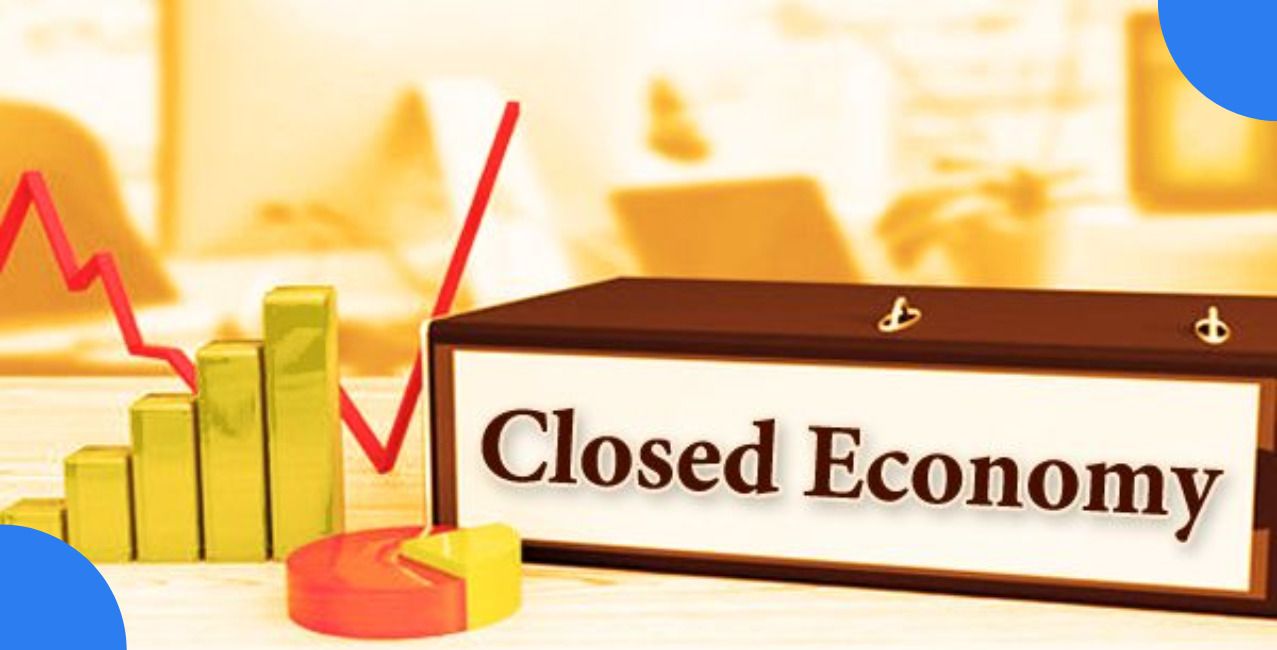
Use live charts and technical indicators to identify entry points based on volume and momentum. Avoid static price analysis, as decentralized markets are highly volatile and influenced by real-time on-chain activity.

Limit exposure to any single DAO or asset class. Use stop-loss orders and diversify across different decentralized sectors to mitigate sector-specific risks and protect capital during market corrections.

No comments yet. Be the first to share your thoughts!